
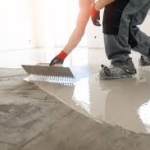


Selecting the right industrial floor coating is essential for creating a durable, functional, and safe environment. Whether you're running a warehouse, manufacturing plant, or commercial facility, the right floor solution helps protect your floors from wear and tear, chemical damage, and everyday traffic. With so many options available, it can be tough to choose the best one.
If you're in Woodland Park, NJ, or nearby, you’ll want to explore high-performance solutions like epoxy floor coating and MMA floor coating. These coatings are designed to offer superior protection and longevity. But how do you know which one is right for your facility? Here’s a guide to help you decide.
Understanding Industrial Floor Coatings
Industrial floor coatings are applied to protect and enhance the surface of your floors. They serve multiple functions: improving safety, making surfaces easier to clean, and offering resistance against various environmental factors like chemicals, moisture, and impact. Each coating has its strengths, depending on the needs of your facility.
Two popular types of coatings are epoxy floor coating and MMA floor coating. These coatings differ in their chemical composition, application processes, and durability. Let’s look at the factors to consider when choosing the right solution for your needs.
Factors to Consider When Choosing an Industrial Floor Coating
1. Durability and Performance
The primary reason for applying any industrial floor coating is to increase the durability of your floors. You need a coating that can withstand heavy traffic, impacts, spills, and chemicals. For instance, epoxy floor coating is known for its high durability and resistance to abrasion, making it ideal for facilities with high foot traffic or heavy machinery.
On the other hand, MMA floor coating offers exceptional strength and flexibility, making it a great choice for areas with fluctuating temperatures or environments that require fast curing. MMA is also highly resistant to chemicals, so it’s often used in manufacturing plants and laboratories.
2. Cure Time and Application Process
Time is often a crucial factor when it comes to industrial floor coatings. You want a solution that minimizes downtime and allows your operations to continue smoothly. Floor coating generally requires more time to cure. Depending on the thickness of the application and the ambient temperature, it can take anywhere from 24 to 72 hours to fully set. However, the end result is a highly durable floor that can last for many years with minimal maintenance.
In contrast, MMA coating has a much faster curing time, often fully curing within a few hours. This makes it ideal for businesses that cannot afford to have their floors out of use for extended periods. If you're operating in a busy warehouse or factory, the fast curing nature of MMA can be a game-changer.
3. Safety and Slip Resistance
Safety is a priority in any industrial environment, especially when it comes to floor coatings. If the floors are prone to becoming slippery when wet, choosing the right coating with slip-resistant properties is essential. Both epoxy floor coating and MMA floor coating can be enhanced with anti-slip additives. However, MMA coatings tend to offer more flexibility in creating a customized surface texture, ideal for facilities like food processing plants or areas where workers are frequently exposed to wet or greasy conditions.
4. Environmental and Chemical Resistance
Different industries have different chemical exposure levels. For example, chemical manufacturing or food processing facilities often require coatings that can withstand harsh substances. floor coating is excellent for resisting oils, acids, and alkalis, making it ideal for industries like automotive workshops or warehouses that handle chemicals.
On the other hand, MMA floor coating provides superior resistance to chemicals as well. It's highly effective in environments where floors are exposed to strong cleaning agents, oils, and solvents. This coating also performs well in environments where floors may need to endure frequent chemical spills, such as laboratories or industrial kitchens.
How to Choose Between Epoxy and MMA Coatings
Now that you know the basics, how do you decide between MMA floor coating. Here’s a breakdown of when to choose each type:
1. Choose Epoxy Floor Coating If:
- You need a highly durable, long-lasting solution.
- You are working with an environment where chemical resistance is important, but fast curing is not a priority.
- The facility experiences moderate to heavy traffic but not extreme temperature fluctuations.
- You are looking for a cost-effective option that requires less frequent reapplication.
2. Choose MMA Floor Coating If:
- Speed is essential: You need a quick return to service without long curing times.
- Your facility is exposed to extreme temperatures or rapid temperature changes.
- You need a coating that can handle high chemical exposure.
- You are looking for a flexible solution that can handle dynamic environments.
Industry-Specific Needs
The right coating will vary depending on your industry’s specific requirements.
- Manufacturing and Industrial Plants: These spaces require coatings that can handle heavy machinery, high foot traffic, and chemical spills. Both epoxy floor coating and MMA floor coating can work here, but epoxy may be a better option for long-term durability, while MMA would be better for quick curing.
- Food and Beverage Plants: Food processing facilities need coatings that are easy to clean, non-porous, and resistant to spills. Epoxy floor coating is often preferred in these environments, especially when combined with an anti-slip texture.
- Warehouses and Distribution Centers: These spaces need coatings that can resist wear from forklifts, pallet jacks, and heavy loads. Epoxy floor coating is a common choice, as it offers excellent resistance to abrasion and impact.
- Pharmaceutical and Healthcare Facilities: MMA floor coating is often used in pharmaceutical and healthcare environments because of its ability to resist chemicals and rapid curing time, allowing for minimal downtime.
Cost and Maintenance Considerations
When choosing an industrial floor coating, it’s essential to balance upfront costs with long-term maintenance. While epoxy floor coating might have a higher initial cost due to its longer curing time and labor-intensive application process, it generally lasts longer and requires fewer touch-ups over the years. MMA floor coating, while faster to apply, might need re-coating more frequently due to its flexibility and wear over time.
Professional Installation vs. DIY
While it’s tempting to apply a coating yourself, professional installation is often the best route for industrial applications. A professional will ensure the proper preparation and application techniques are followed, which is crucial for ensuring the coating’s longevity and performance. In Woodland Park, NJ, local professionals can help guide you through the decision-making process and apply the coating to suit your specific needs.
Conclusion
Choosing the right industrial floor solution involves considering several factors, such as durability, cure time, safety, and environmental resistance. Both options offer excellent benefits depending on the specific needs of your facility. By understanding the key differences between these solutions, you can make an informed decision that ensures your floor remains functional and safe for years to come.
If you’re in Woodland Park, NJ, or nearby, it’s worth consulting with a local expert to discuss your needs and choose the ideal solution for your industrial space. Whether you prioritize durability or fast curing, the right choice will give your floors the protection and performance they need.