
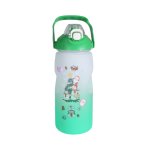


A plastic water bottle and an insulated bottle may seem interchangeable, but their designs make them suited for different habits. Plastic bottles are usually single-layer, made from materials like PET or PP, and prioritize lightweight handling and convenience. They are simple containers intended for short trips, gyms, or school, where ease of carrying and fast replacement matter most. In contrast, insulated bottles are often stainless steel with double-wall construction and a vacuum layer, built to maintain the temperature of hot or cold drinks for hours.
Temperature behavior is one of the clearest differences. A plastic water bottle does not keep beverages hot or cold for long, as heat passes quickly through the thin walls. Insulated bottles, with their vacuum layer, keep drinks hot or cold much longer, making them ideal for office use, travel, or outdoor activities that last several hours.
Weight is another noticeable factor. Plastic bottles are light and easy to carry anywhere without burden, while insulated bottles are heavier due to their metal body and double-wall design. This added weight can be a minor inconvenience for daily commutes or quick errands, though some users prefer the sturdiness.
Manufacturing also differs. Plastic bottle production is straightforward, allowing fast changes in shape, color, and volume, which makes it flexible for custom or promotional batches. Insulated bottle production involves metal forming, sealing, and vacuum processing, which makes it slower but results in a more durable product.
In everyday life, both bottles have their place. A plastic water bottle serves simple hydration needs efficiently, while insulated bottles provide long-lasting temperature control. Neither is better overall; they just fit different routines and priorities, from casual short-term use to extended, temperature-sensitive applications.