
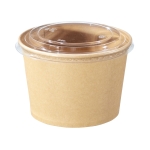

The creation of a paper salad bowl involves a manufacturing process that transforms renewable resources into a functional food package. The most common method uses molded fiber technology. Recycled paperboard or virgin wood pulp is mixed with water to create a slurry. This slurry is then suction-molded over a mesh screen in the shape of a bowl. The water is drained away, and the remaining fibrous mat is transferred to a heated mold where it is pressed and dried into its final rigid form. This process yields a product with inherent strength from the interlocking fibers and a textured surface.
Material selection and treatment are critical for performance. To hold dressings and juicy vegetables without leaking or becoming soggy, many paper salad bowl designs incorporate a barrier. This can be an integrated waterproof layer added during the molding process or a post-production spray or laminate. For compostable bowls, this barrier must also be biodegradable, often made from bio-polymers. The design often includes features like a rolled rim for structural rigidity and comfort while eating, and a flat bottom for stability on tables. The entire production chain, from sourcing certified sustainable pulp to using water-based inks for printing, is geared toward minimizing environmental footprint.
Quality control ensures the bowl can withstand the rigors of filling, lidding, and transportation without collapsing or leaking. The manufacturing innovations behind the modern paper salad bowl demonstrate how traditional papermaking techniques can be adapted for contemporary food service needs. By focusing on renewable materials and compostable designs, this packaging solution addresses both functional requirements and the growing demand for sustainable alternatives in the food industry.